Some of this highlights how professional photographers achieve their results, but i think we can take a lot from how they achieve the photos…
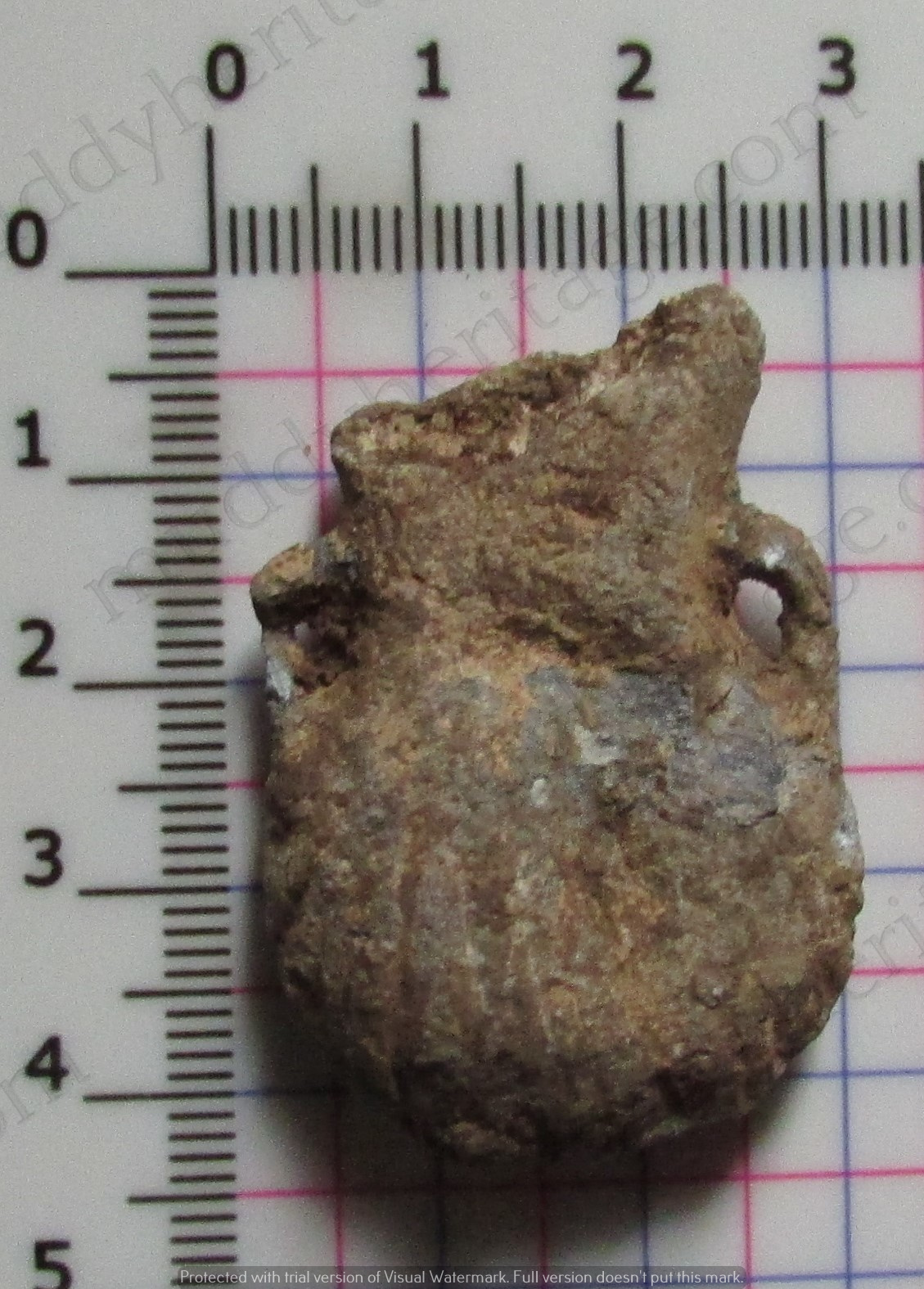
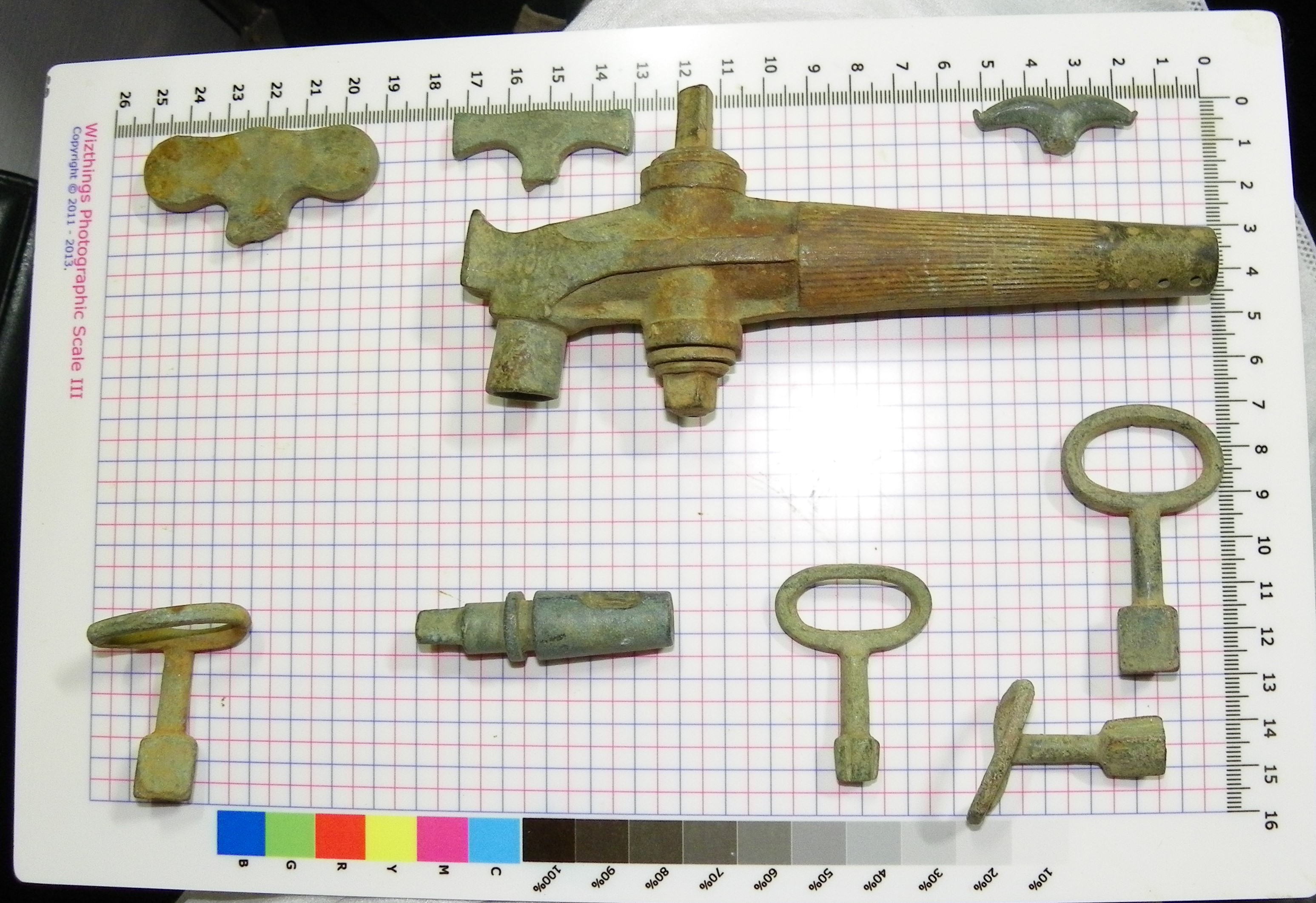
I have found one of the most important things to do when photographing any Artefacts or objects, is to use a scale, and not just because the academics say so, the scale could be a common every day coin for size comparison, but there are several methods of measuring the scale of the items, from using a wooden or perspex ruler, a piece of paper with an accurate measurement could also be used, but to be more precise try using something dedicated to provide a scale for the viewer to gauge the size of the object that has been photographed, instead of using the crime scene version which seems to be the most popular, i chose to go with a full A4 Photography Scale, which is sold by a company called Wizthings, who operate on Amazon, and what a brilliant piece of kit, this photography scale provides a fast easy & reliable way of recording the image & dimensions of many small or large objects, you can accurately record your collections consistently with professional results, the scale itself has a fine precision printed grid background, which provides a good advantage over other types of scales, any amount of objects can be placed on the grid lines, which provides the viewer with a clearer image instantly, providing greater precision on determining the size of the artefact placed on the scale, so at a glance when a subject that has a complex shape the information is there provided by the grid line, whereas using the crime scene “right angle” you only get an overall size of the object…

Wizthings make a few different sizes of board, prices start from about twelve pounds to twenty-two pounds plus delivery, their biggest one called Wizthings Photographic Scale ASC3, is about the size of A4, & this is the one i use, they are made with a durable surface which is also supposed to be anti-glare on an aluminium base, & are very easy to carry around with an actual size of 200mm x 300mm…
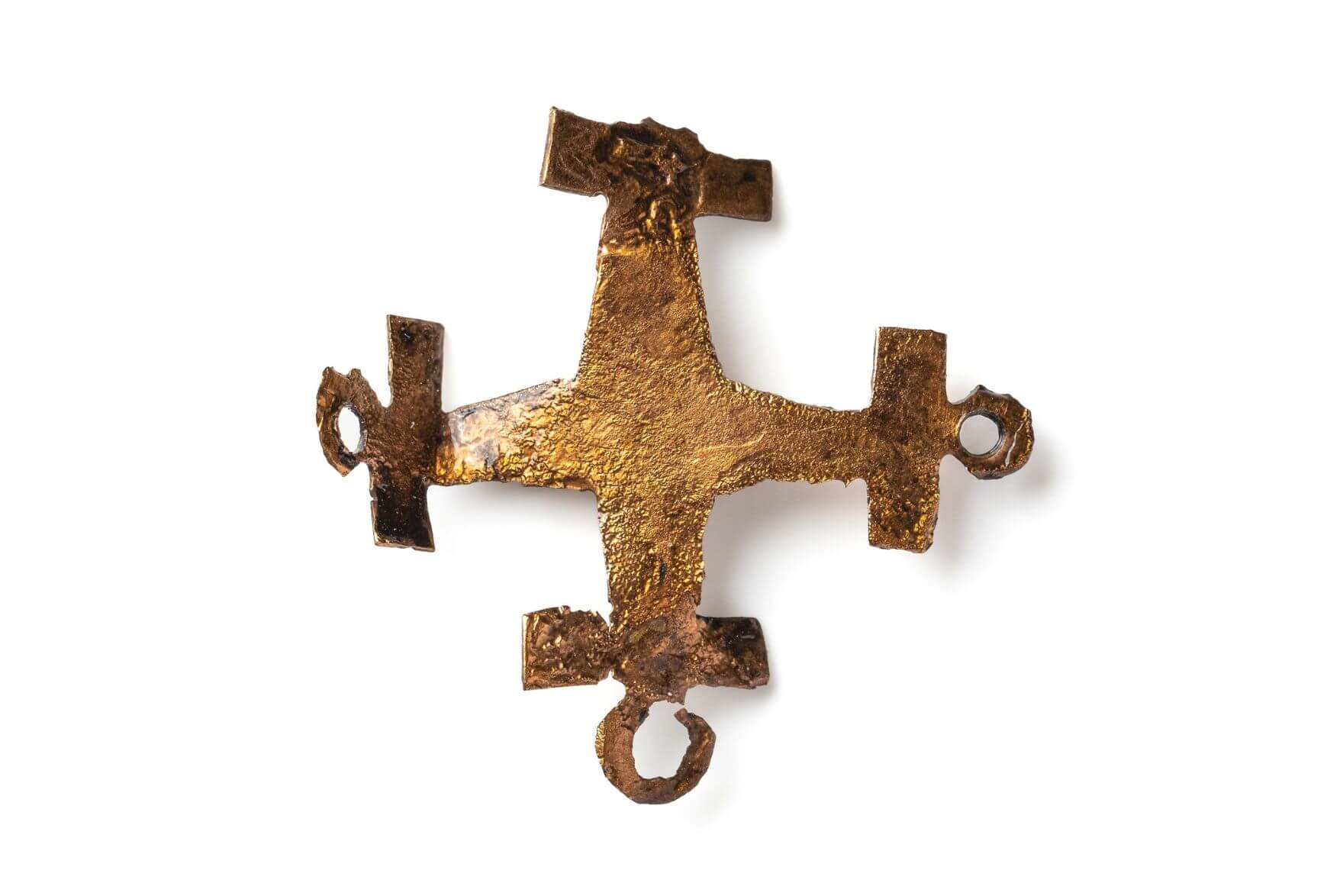
Whilst using mine i have noticed that you need side & or low-level lighting, & not overhead lighting, and disable the flash otherwise you might get a white spot on the board… Apart from shadows, the overhead lighting sometimes provides you with a yellowish photo, which does not reproduce the object in its true form, also go for the daylight bulbs, these are the best ones to use or failing that go for some LED’s and light the area with these, these LED’s are cost-effective & can be purchased from the bay of thieves… as can be seen from below anybody viewing the photos below can see this spoon in detail and its size…s
Artifact Photography for museums: Key principles by Daniel Lindskog
29. August 2024 Amalie Widerberg
Daniel Lindskog is an archaeological photographer based in Sweden. For the past ten years, he’s worked with universities, tourism boards and museums to preserve cultural heritage through images and videos. He is actively working on establishing a standard for all archeological photography.
In this article, we’ll take a closer look at this passion project and discuss how Galleries, Libraries, Archives and Museums (GLAMs) can work to ensure higher quality and consistency in artifact photography and image preservation.
The importance of images in preservation
Photography plays a central role in the preservation of historical artifacts. Not only does it allow for more visual documentation and easier restoration processes, but it also enables the successful distribution of cultural heritage and can be an important tool in generating historical interest and awareness.
Establishing an international standard for artifact photography
Today, images can make historical artifacts available globally and are critical to historical records. Therefore, it should come as no surprise that an international standard for how to photograph these artifacts would be beneficial to both cultural institutions and the public as a whole.
— “In order for AI technologies to learn what we’re presenting, a unifying standard when photographing artifacts is crucial. An image from today needs to be able to match an image taken ten years from now, in another museum, or on another continent.”
Daniel Lindskog, archeological photographer
Having worked with archeological photography for many years, Daniel Lindskog has noticed several problems concerning the manner of which such artifacts have been photographed up until today.
Common issues with artifact photography:
- A lack of consistency
- Various types of backgrounds
- Key angles missing
- Non-essential elements disturbing the photo
He has, therefore, worked to establish a framework for artifact photography that will allow museums to create consistent image collections that are inviting to look at and optimised for current and future usage.
Framework for artifact photography:
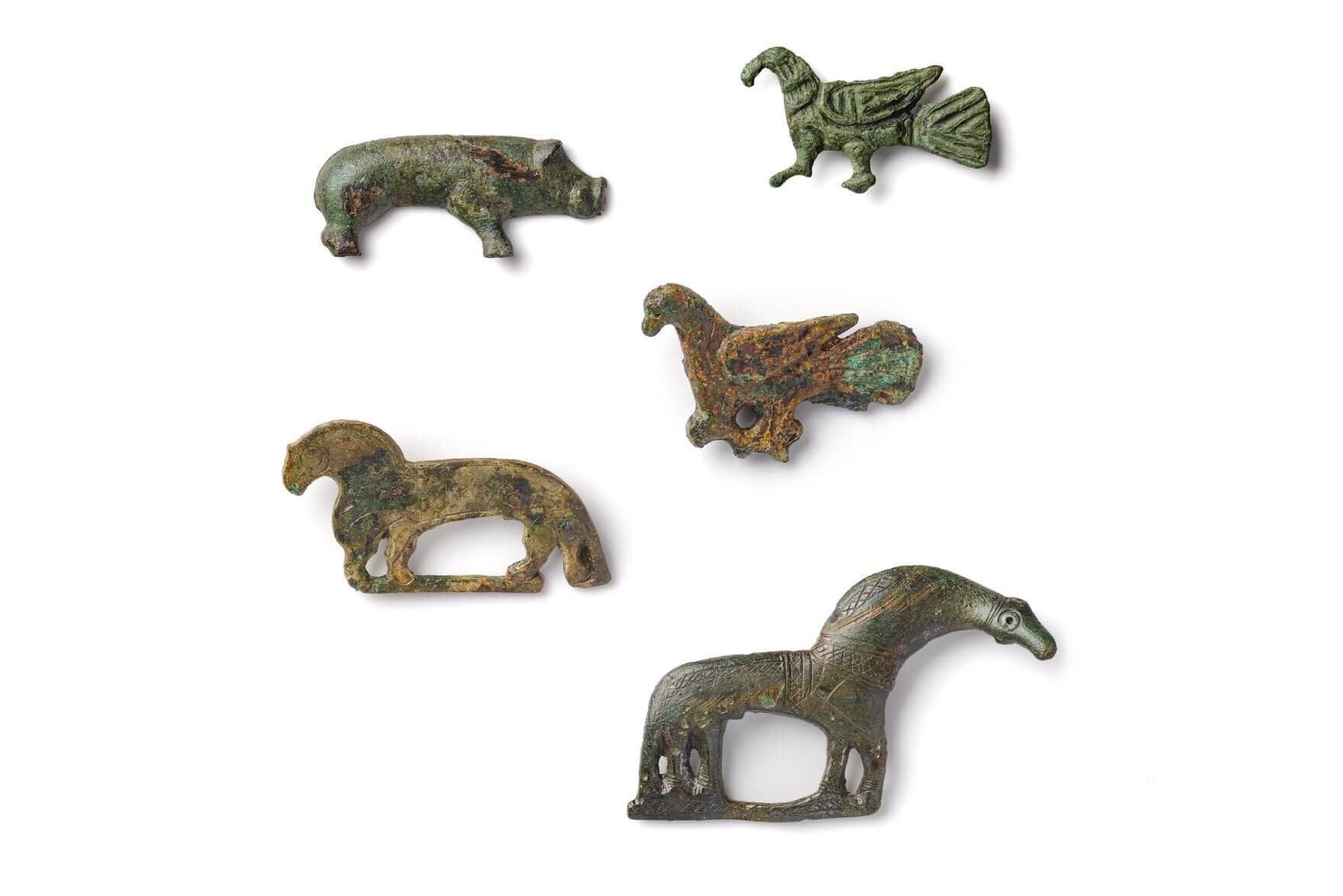
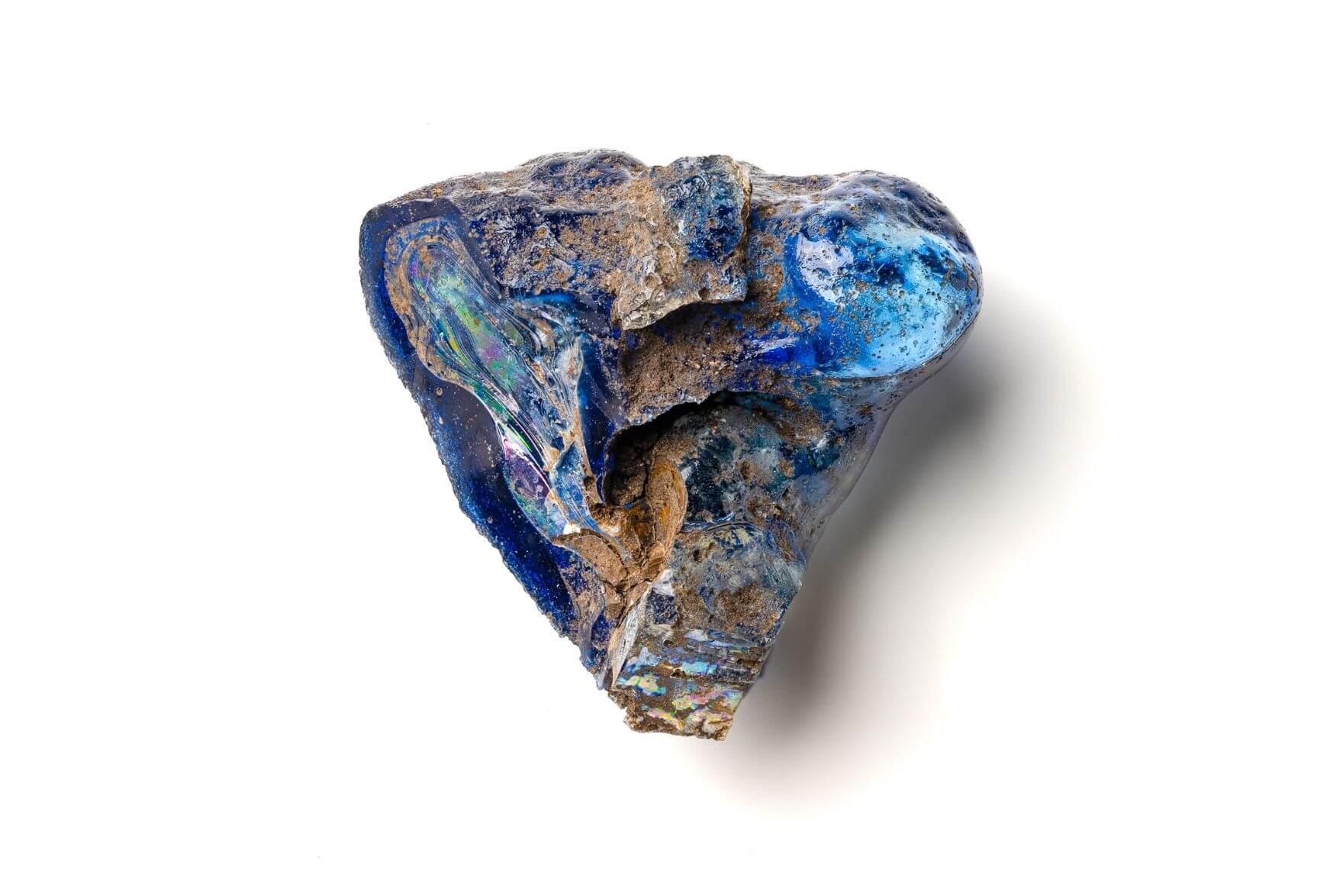
1. 100% white background
Museums and agencies often remove the background when presenting an artifact, a task simplified by using a white background.
Additionally, a colored background may vary slightly even if the colour is the same, and can damage the artifact’s shadows.
If relying solely on white backgrounds, the photos become timeless and can more easily be processed by AI tools.
2. Maintaining the shadows
Today, many photographed artifacts are shown without their natural shadows, often as a consequence of the colored background being removed. However, the shadows play an important part in visualising the artifact’s shape, and give more depth to the image.
— “The shadows contains much information about the object being portrayed: it tells us about the opacity, its solidity, direction, color and volume, whilst adding weight and dynamics to the image.”
Daniel Lindskog
3. A clean look
It should go without saying, but removing disturbing elements from the scene will greatly enhance the image quality and make it easier to work with. To do this, photographers need to take photos in high resolution that contain the intended artifact, and only the indented artifact. Any other element, like a table or a thread, should be removed.
By following such a framework, archeological photographers can ensure a cohesive look throughout each collection. It also future-proofs the images, making them easier to work with for both printed and online publications.
4. Ensuring consistent metadata
Just like there’s no standard on how to photograph historical artifacts, there’s also no international standard on how to work with the metadata. Many photographers like Daniel Lindskog rely on the IPTC standard, but there is no regulation ensuring a common structure across different institutions and organisations. And even if one could agree on one standard to rely on, there may still be overlapping metadata fields or fields with multiple purposes that can cause confusion for curators.
— “As software can be different from museum to museum, a standardized metadata language is difficult to implement. With global databases we no longer do things in silos and we need to get together to build a complete record of our past. For machine learning to do its job, we must help it by adding attributes to our images and make sure we have an accurate record. By having a common practice we can get further, sooner.”
Daniel Lindskog, archeological photographer
With historical assets in particular, metadata is vital, since one wants to access many forms of information when looking at such artifacts. Professionals, scholars and the public may be interested in all sorts of things concerning the photographed object, like its owner, current placement, from where it originates, from when it originates, the materials, and the list goes on.
By establishing a common framework for metadata, institutions can make sure that this information is always embedded in the images, so it doesn’t get lost and is easily available for anyone viewing or using the photo.
LEARN MORE: Metadata management – what it is and why it matters
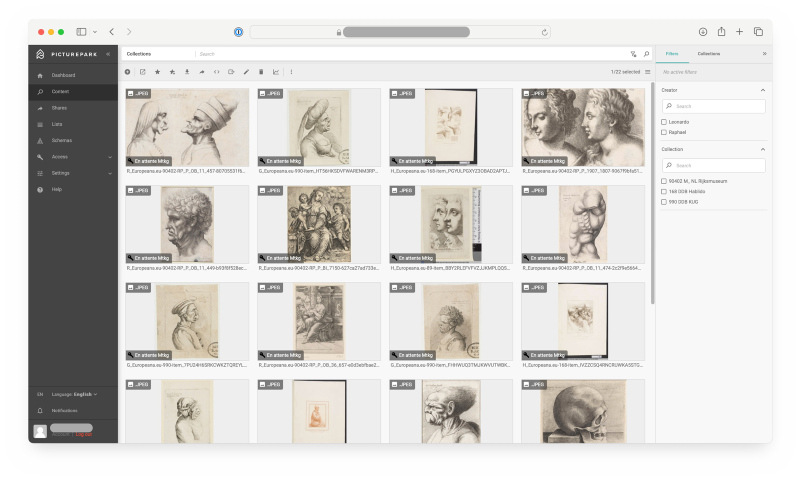
Image and collection management
For galleries, libraries, archives and museums, image and collection management is essential for the digital transformation and preservation of cultural heritage. Without it, we risk historical assets and information getting lost or corrupted, damages that may be impossible to repair once they occur.
Therefore, it’s essential that organizations of these kinds invest in proper processes to ensure fast and secure management of digital collections, and establishing frameworks for object photography and metadata is a key step in that direction.
At Fotoware, we’ve helped many GLAMs with their image and metadata management, and can help in building, adjusting and maintaining such frameworks.
If you want to discover how we can assist your organization with managing images and collections, feel free to explore the benefits of DAM for GLAMs or book a non-committal meeting with us.
Want to learn more about artifact photography? Please visit Daniel Lindsko



Leave a Reply