0o
Whilst early in the 1990’s, the spelling of Artifact with an I, became the American spelling. Both spellings are etymologically justifiable, but like a lot of words in English, the written word is spelt differently in America…
So many of these Artefacts that are found, or have been found, are just parts of something much bigger, and so to gain an understanding of what “has been found” it is always relevant to a much bigger picture…
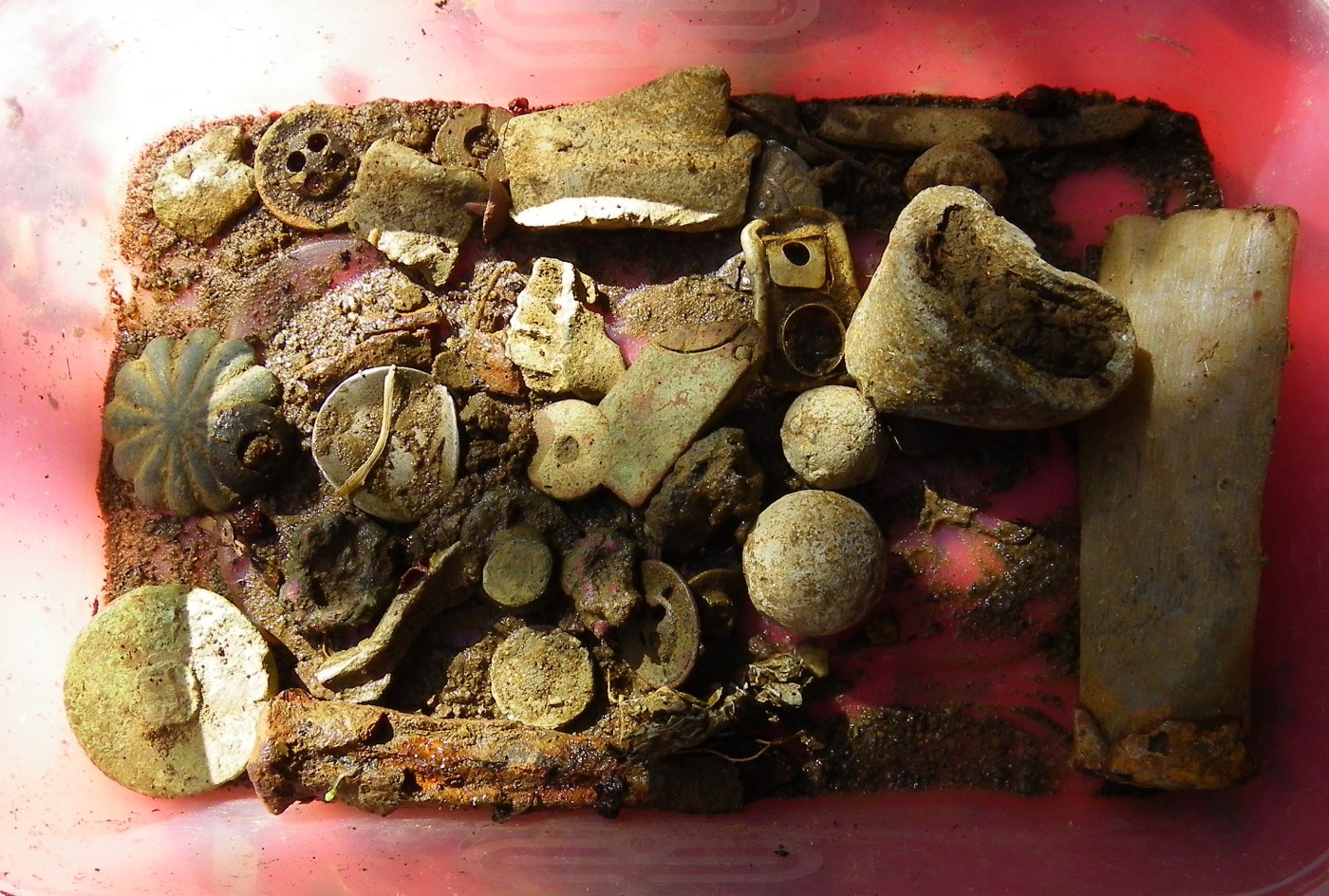
One of the most problematic things, for any detectorist, archaeologist, or anyone who digs up an Artefact or has found an item, that they are unsure of, is how to describe what they have found, this is where many people fail, especially someone new to the hobby of Metal Detecting, and this is where an item, is then either discarded or put into a box of “don’t know” it’s these items that need to be addressed as a greater proportion of them are more important than they look, this is where the forums and social media sites help, by simply posting a “photo & help to id please” could bring in the ID or partical ID you need…
Why do these items need an ID ? – the more strange objects that are unearthed by metal detectorists & archaeologists, the more we need to learn about them,
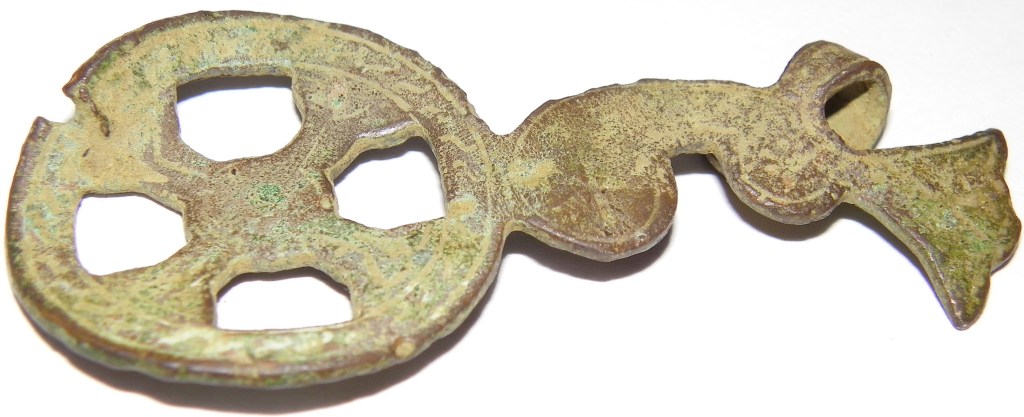
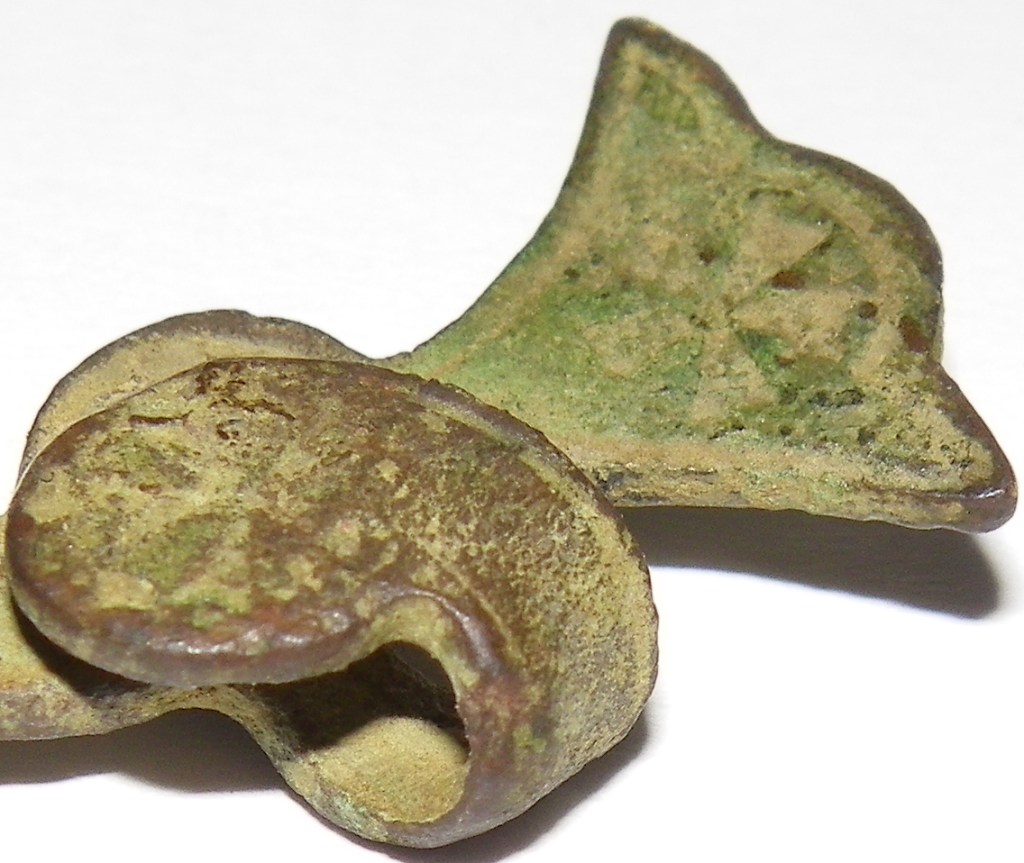
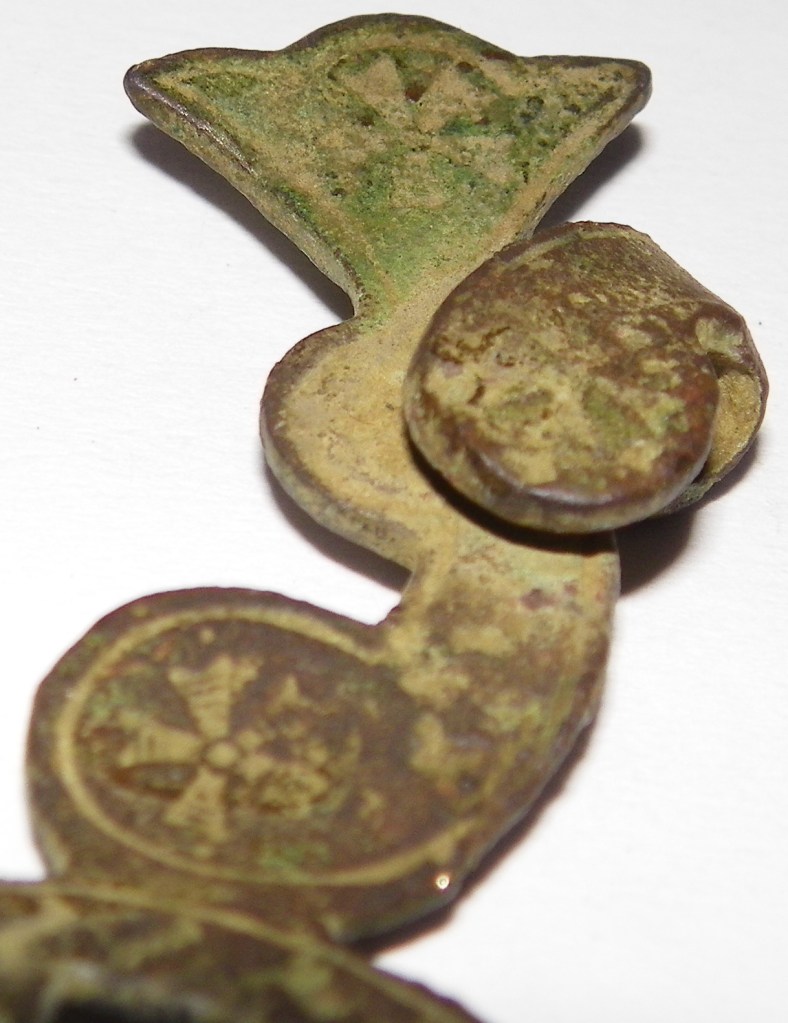
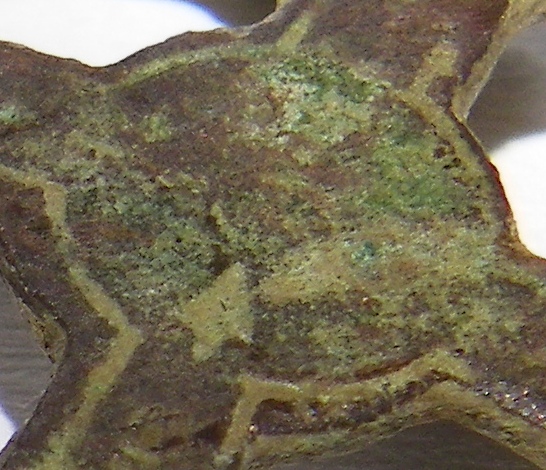
Large dagger / knife guard, on a religious theme, found next to an old nunnery, and there is a cherub on the face… some of the angles of the photos are on purpose and show off the features better…
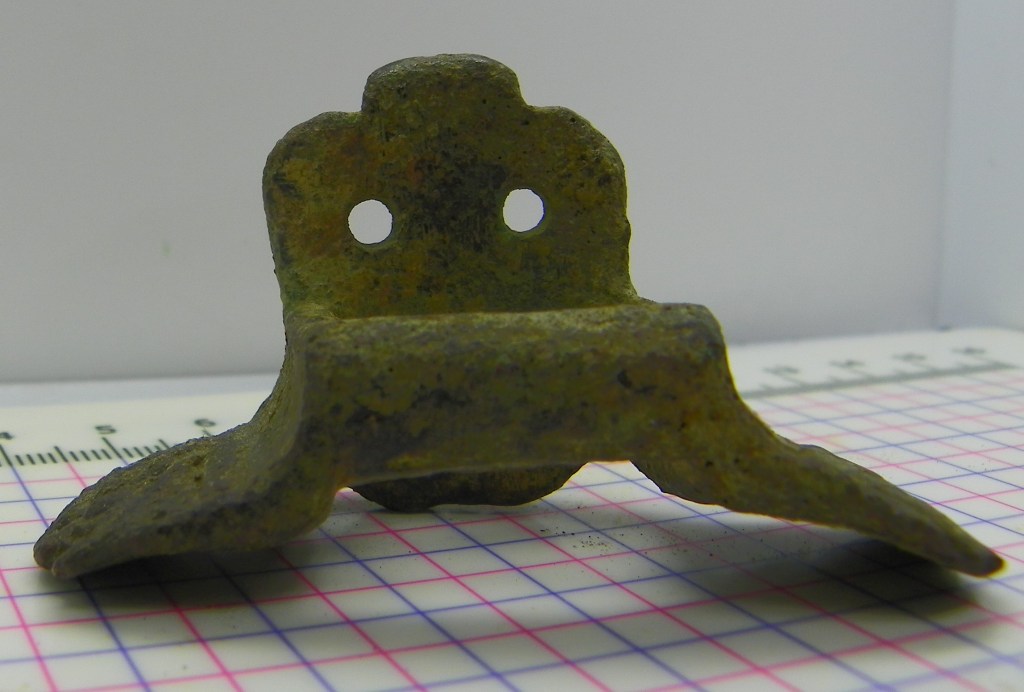
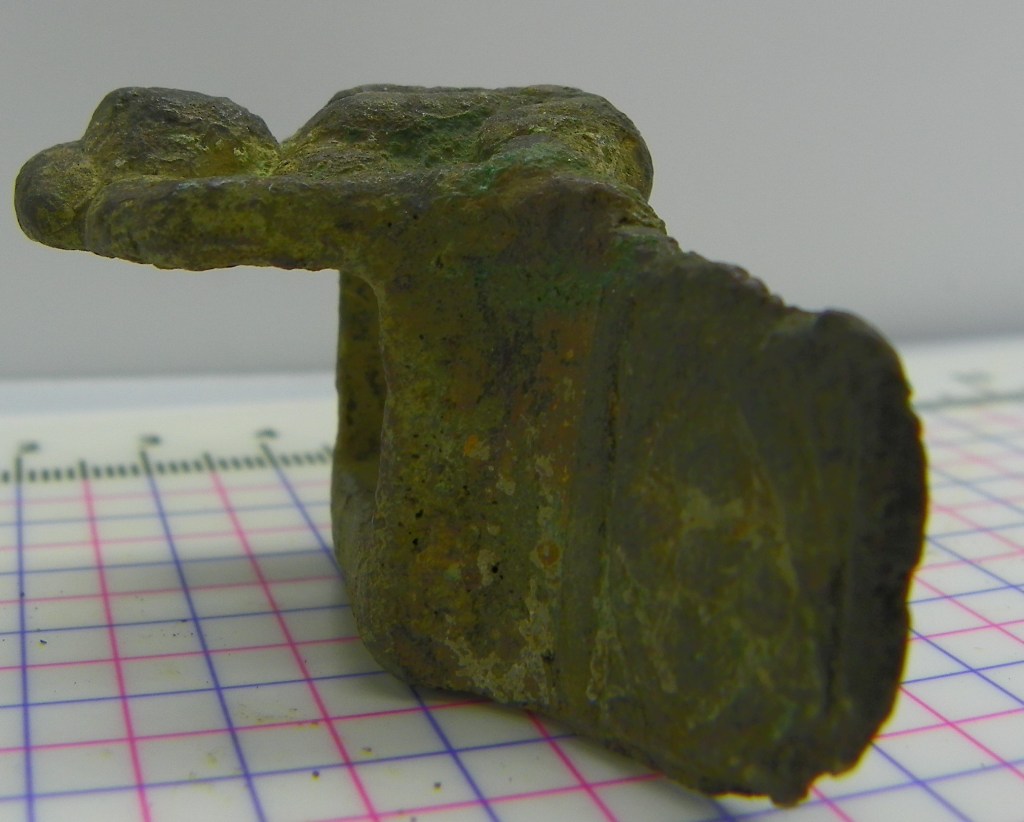
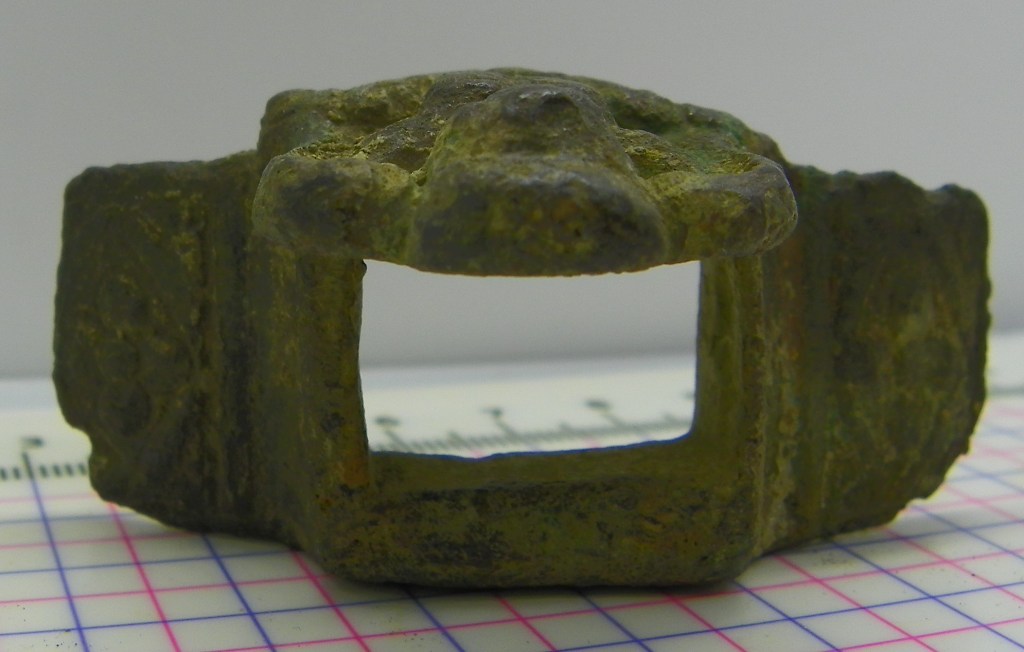
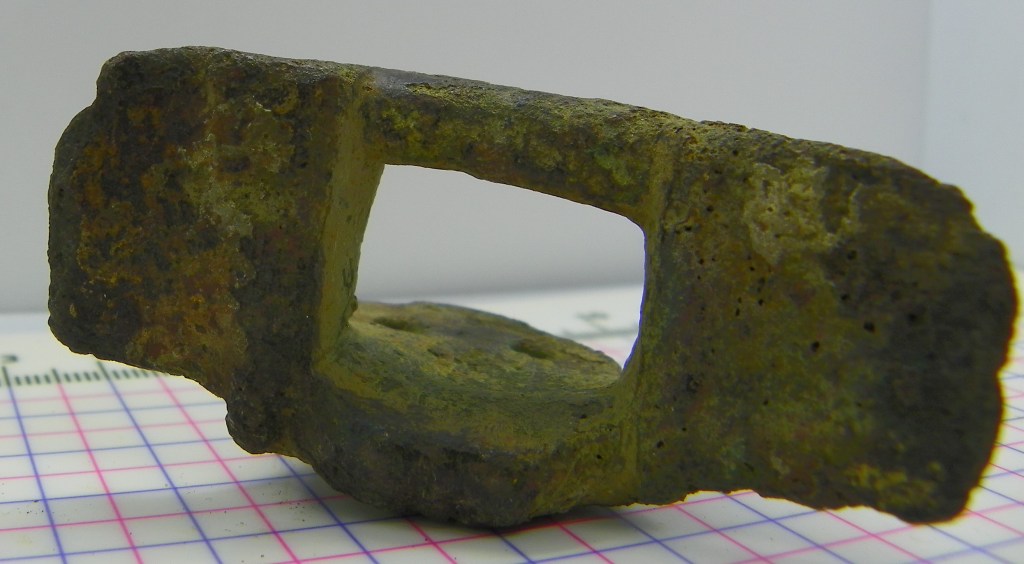
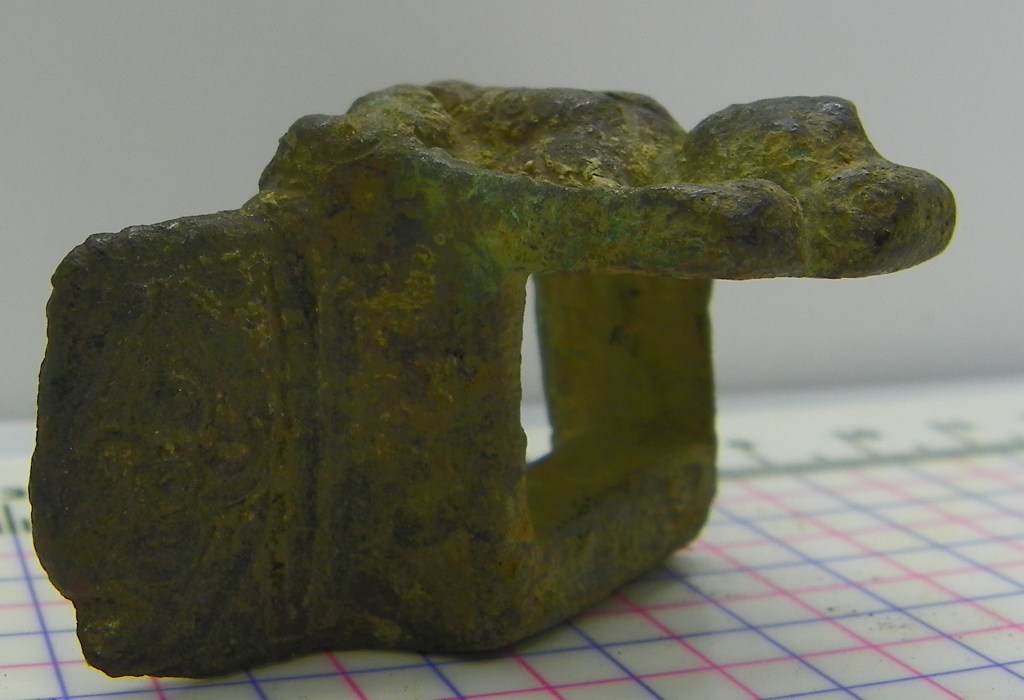
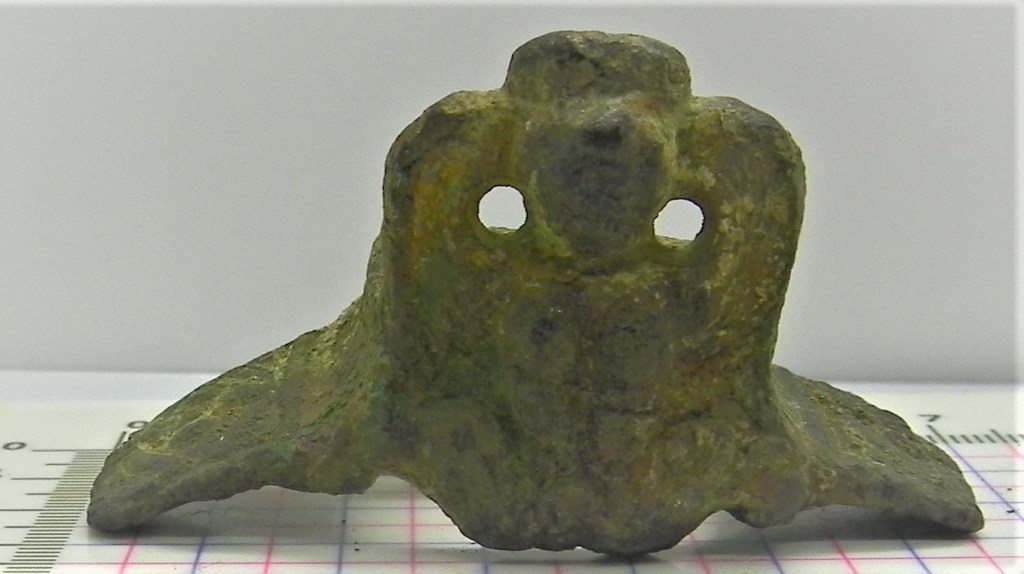
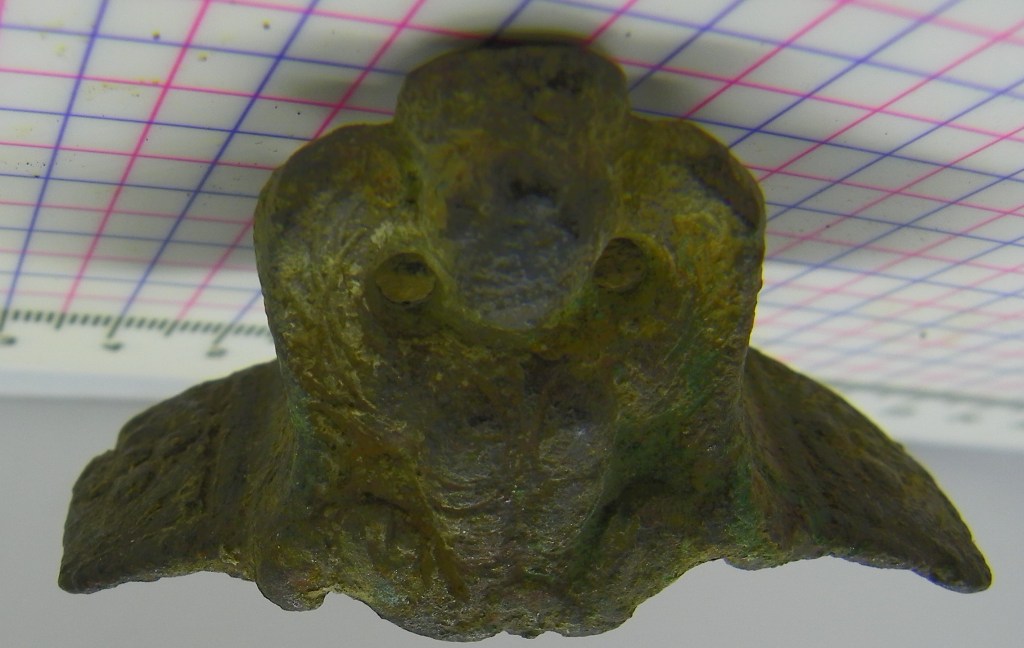
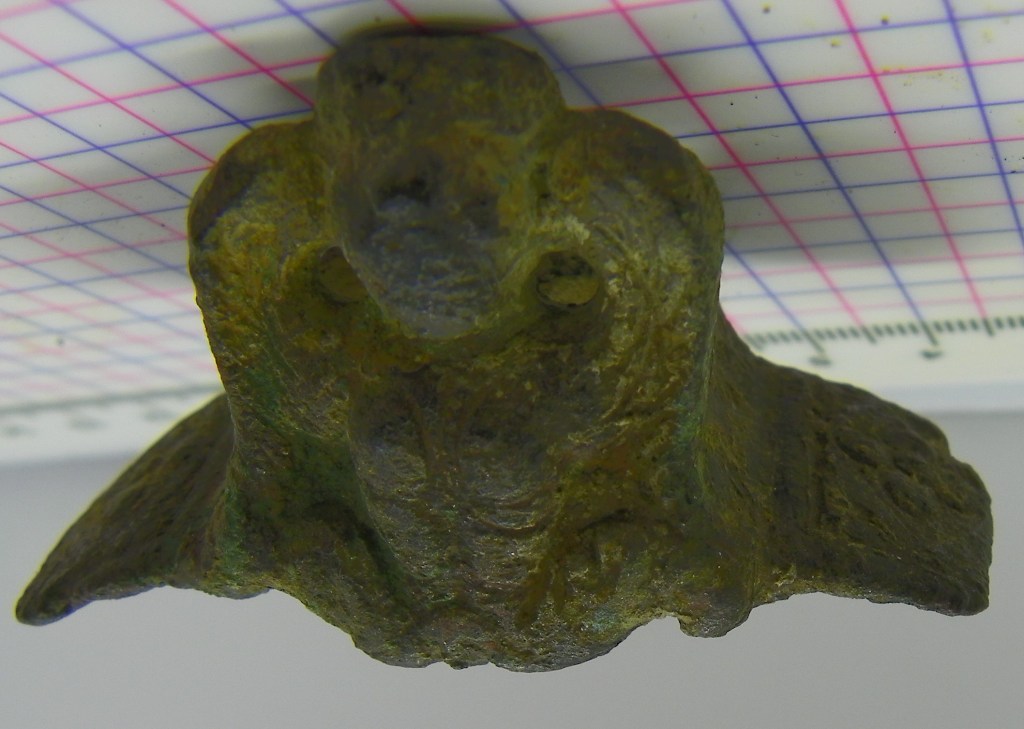
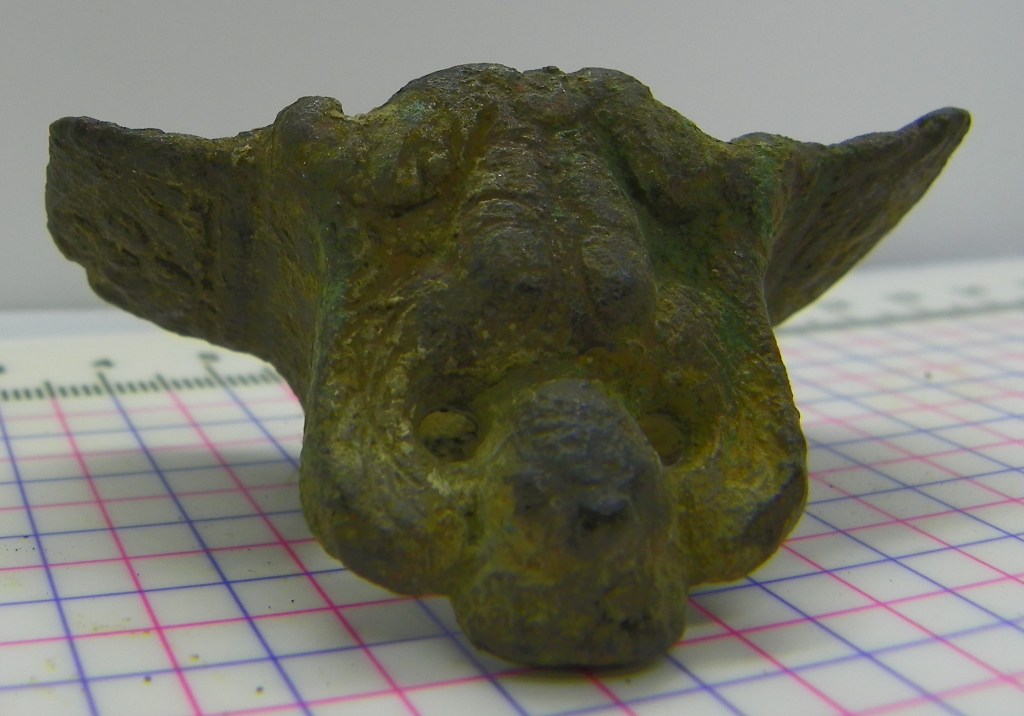
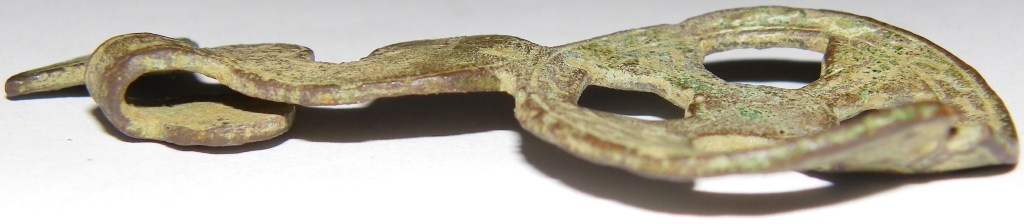
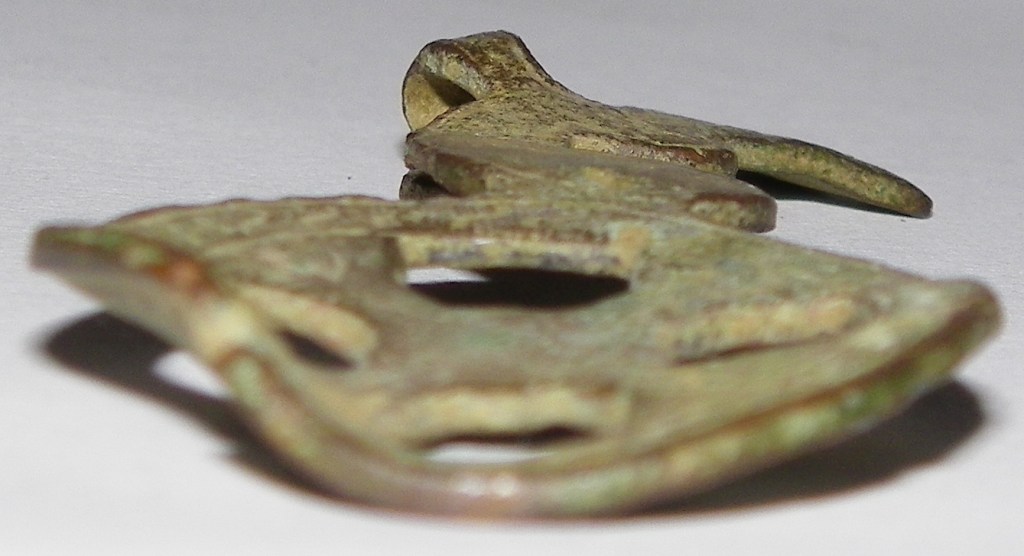
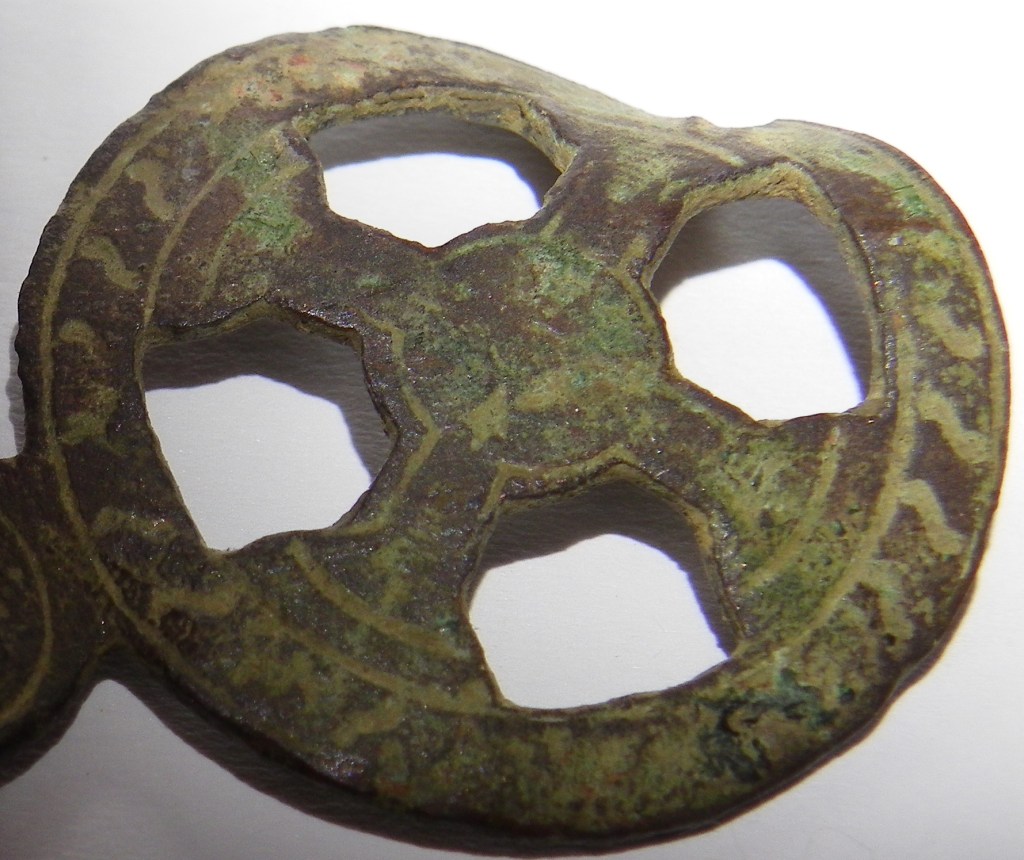
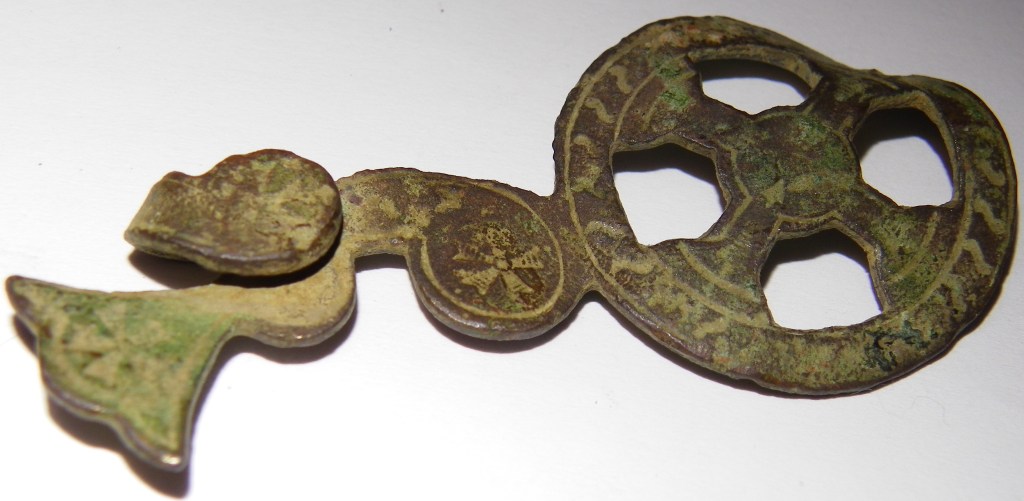
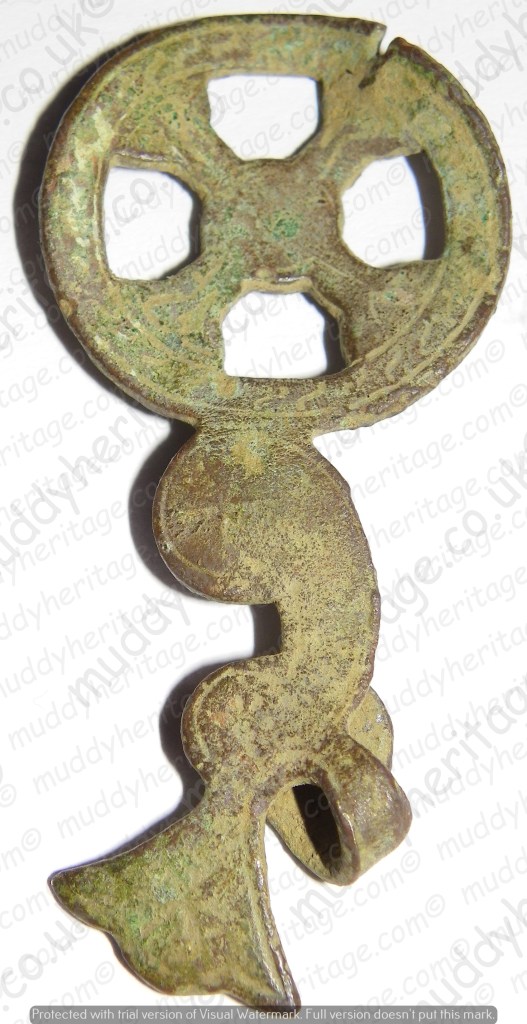
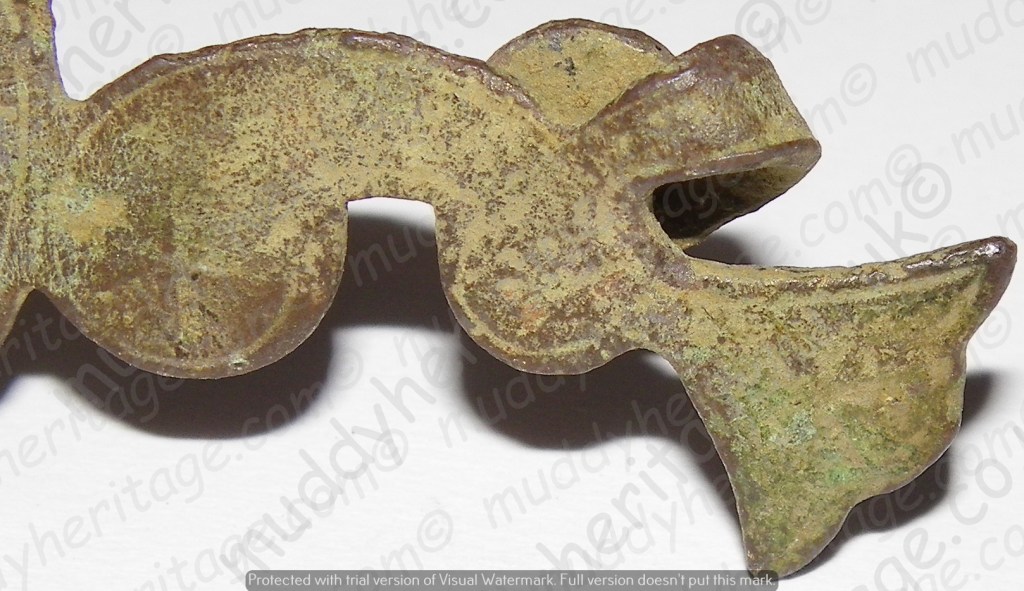
Unknown Artefact, its purpose or use is totally unknown… Identical markings are on both sides, and is unrecorded in archaeological publications, with one other known, found in Hertfordshire, a few miles from this Essex find…
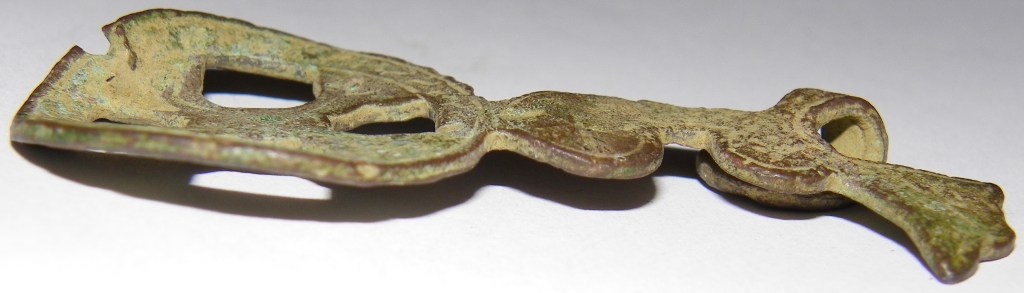
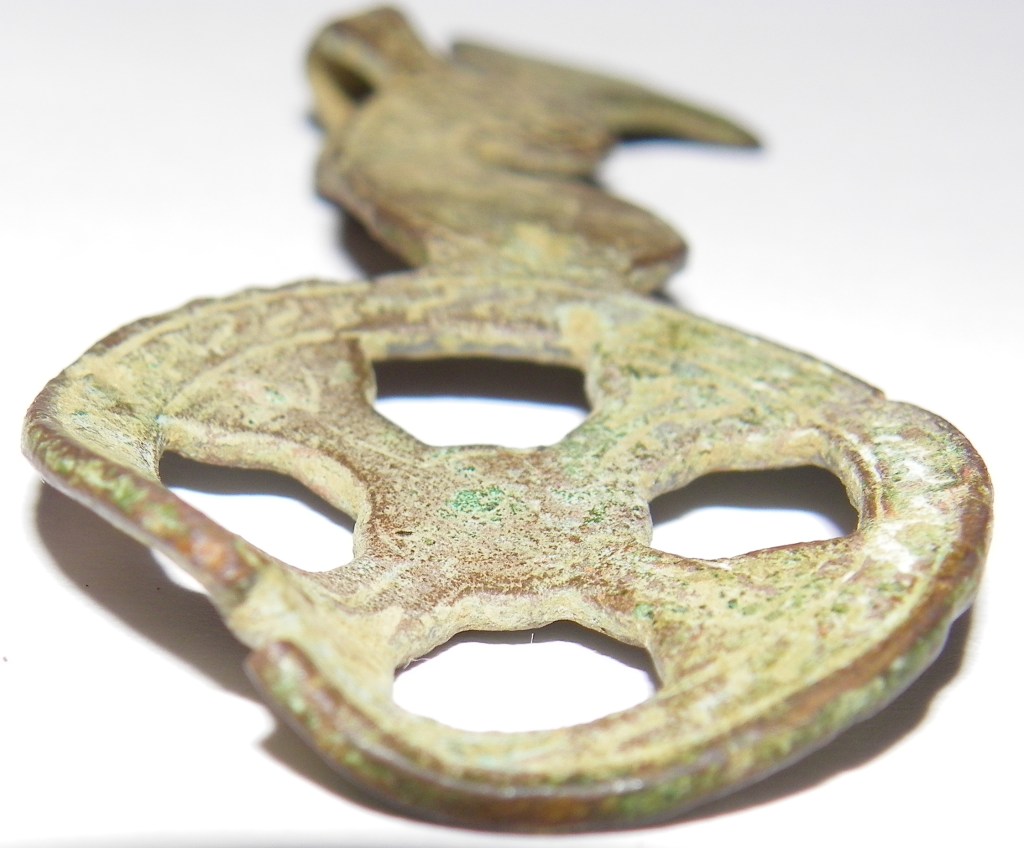
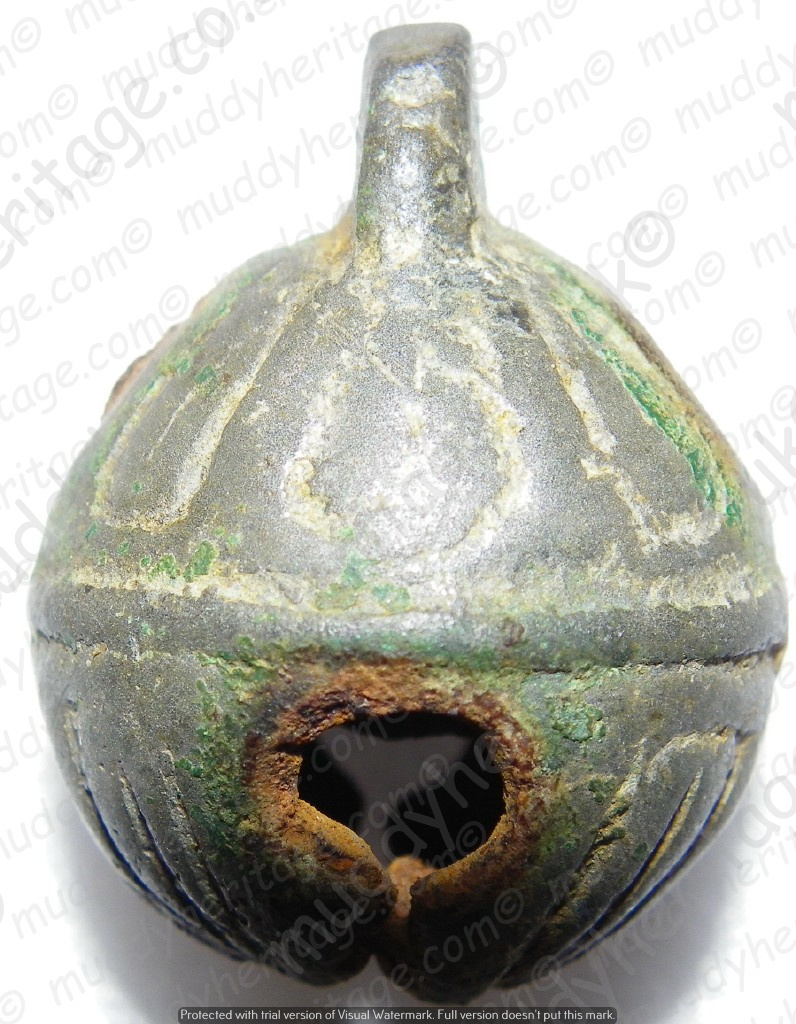
The Crotal Bell shown below is from the mid to late 1700s… no pea… as for the founder, I’m not sure how to read this, it looks like a duck, but do i read it as an S, or turn it one way to read the letter as a W or turn it the other way to read an M ? Difficult…
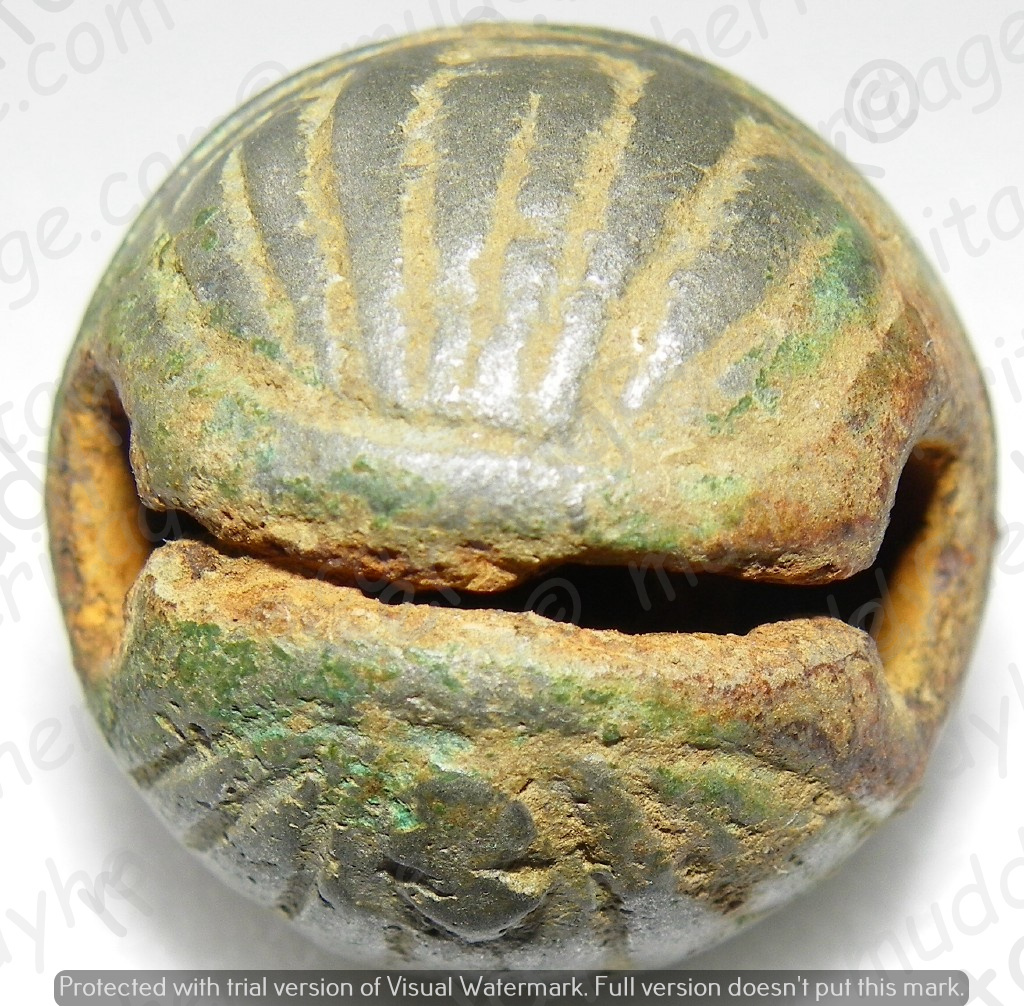
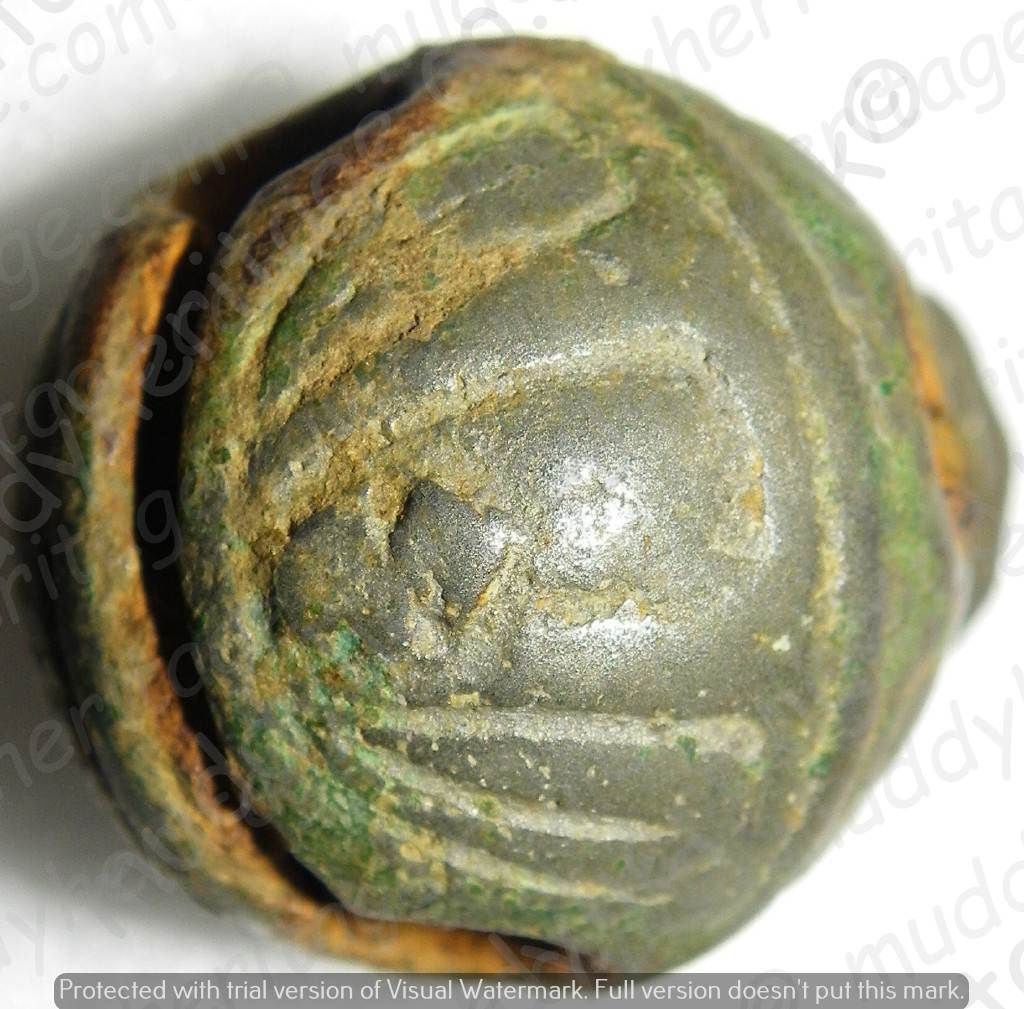
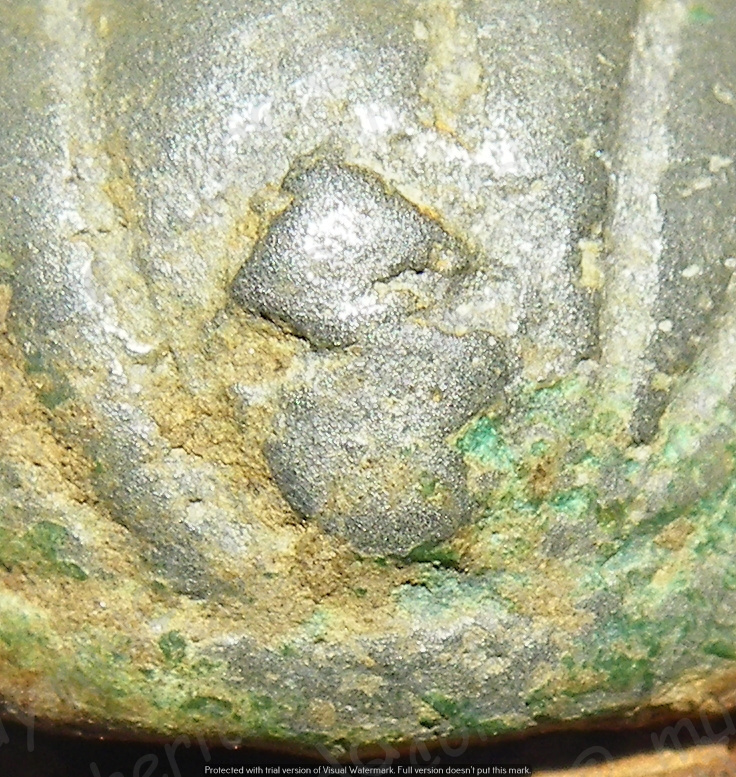
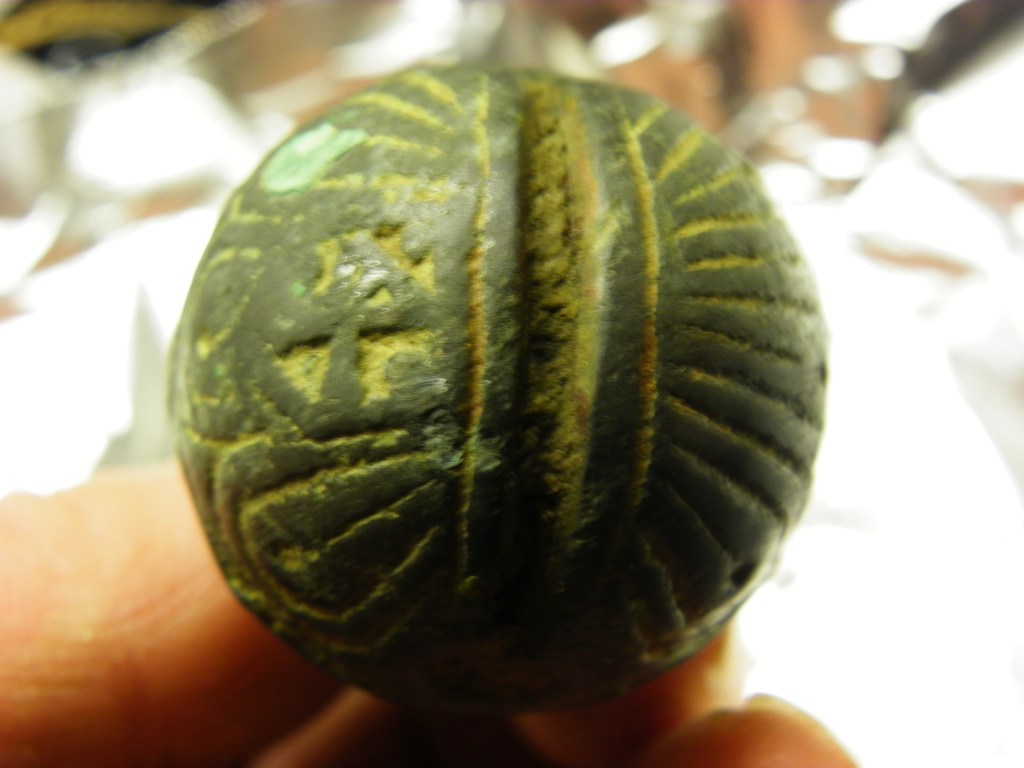
Below is another, Crotal Bell based on manufacturing and stylistic grounds, the bell can be dated to sometime in the 16th/17th century period, with the pea still intact, creating a nice tone to the ring, both halves of the bell are decorated with a sunburst petal design, which puts this design much earlier as the bells of the 18th/19th century are often decorated only on the lower half… no idea who the founder is, another one that’s a mystery, as there is a bell founder’s hammer symbol in a shield-shaped cartouche, but no makers mark, i wonder if these hammer marks were a symbol, ordered by one company as a wholesale lot, then sold on ? more than likely this hammer mark is a figure 4 – which could point to the size of the bell…
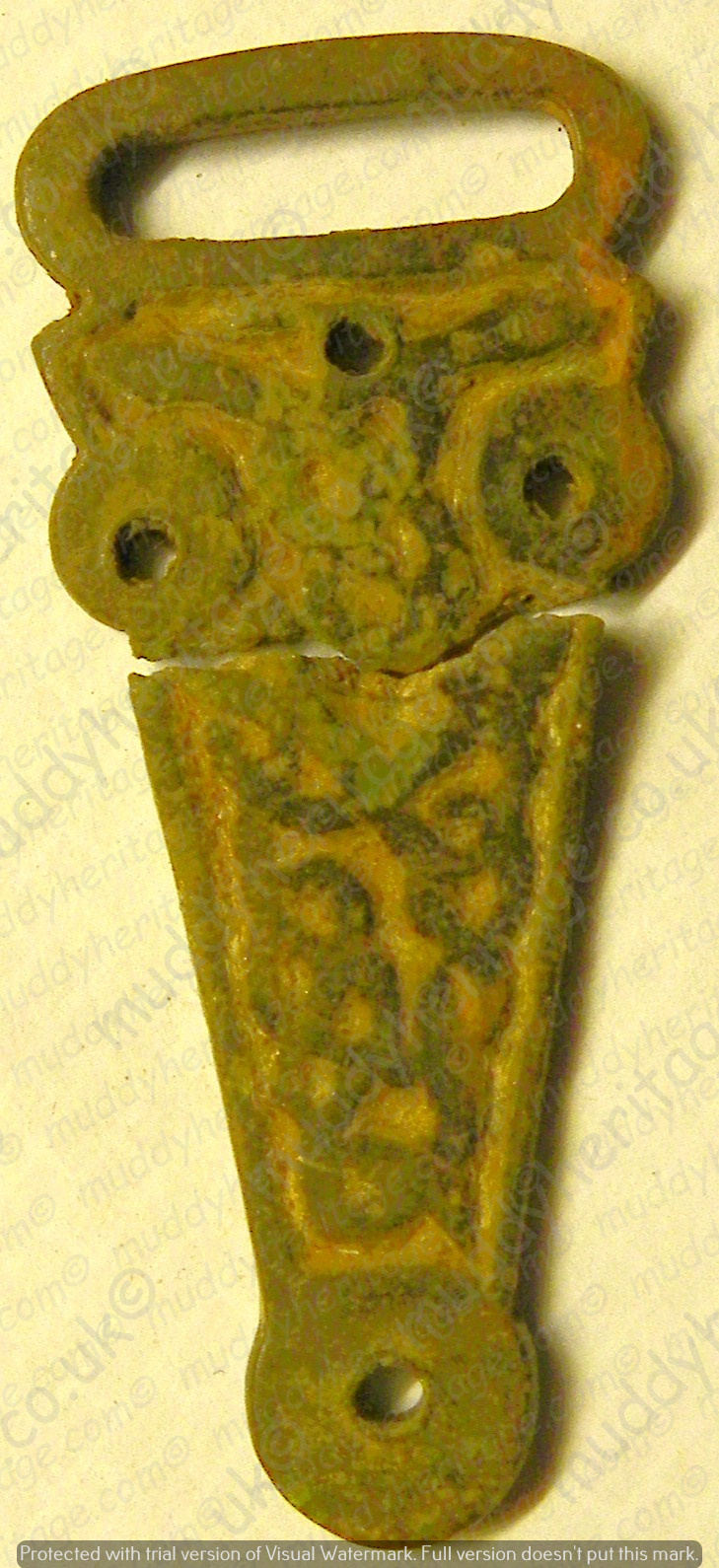
Anglo-Saxon strap end, with entwined beasts…




Leave a comment